
More Good Days, Together

Every child who walks through the doors of the Tanzanian Children’s Fund carries a story, and some of their stories are incredibly heavy, shadowed by hardships and trauma that no child should ever have to face. Our mission of building brighter futures for this generation of Tanzanians goes beyond providing for their basic needs. In order to truly set up our children for success, we need to focus on the needs we cannot see or touch. We need to support healthy, resilient minds.
This May, we are celebrating Mental Health Awareness Month under the global theme "More Good Days, Together" by reflecting on what a "good day" truly means for our organization. In a community where mental health struggles are still deeply misunderstood, silenced, and frequently blamed on superstition, we launched our Mental Health program to change the narrative. Thanks to the consistent support of child psychologist Dr. Aloyce Ambokile, together with our cross-departmental mental health team, the program’s results have been both evident and meaningful.
A "good day" looks different now. By changing the narrative around mental health, we are breaking the stigma surrounding therapy by meeting our children and teenagers exactly where they are, starting with simple conversations about how stress impacts their schoolwork.
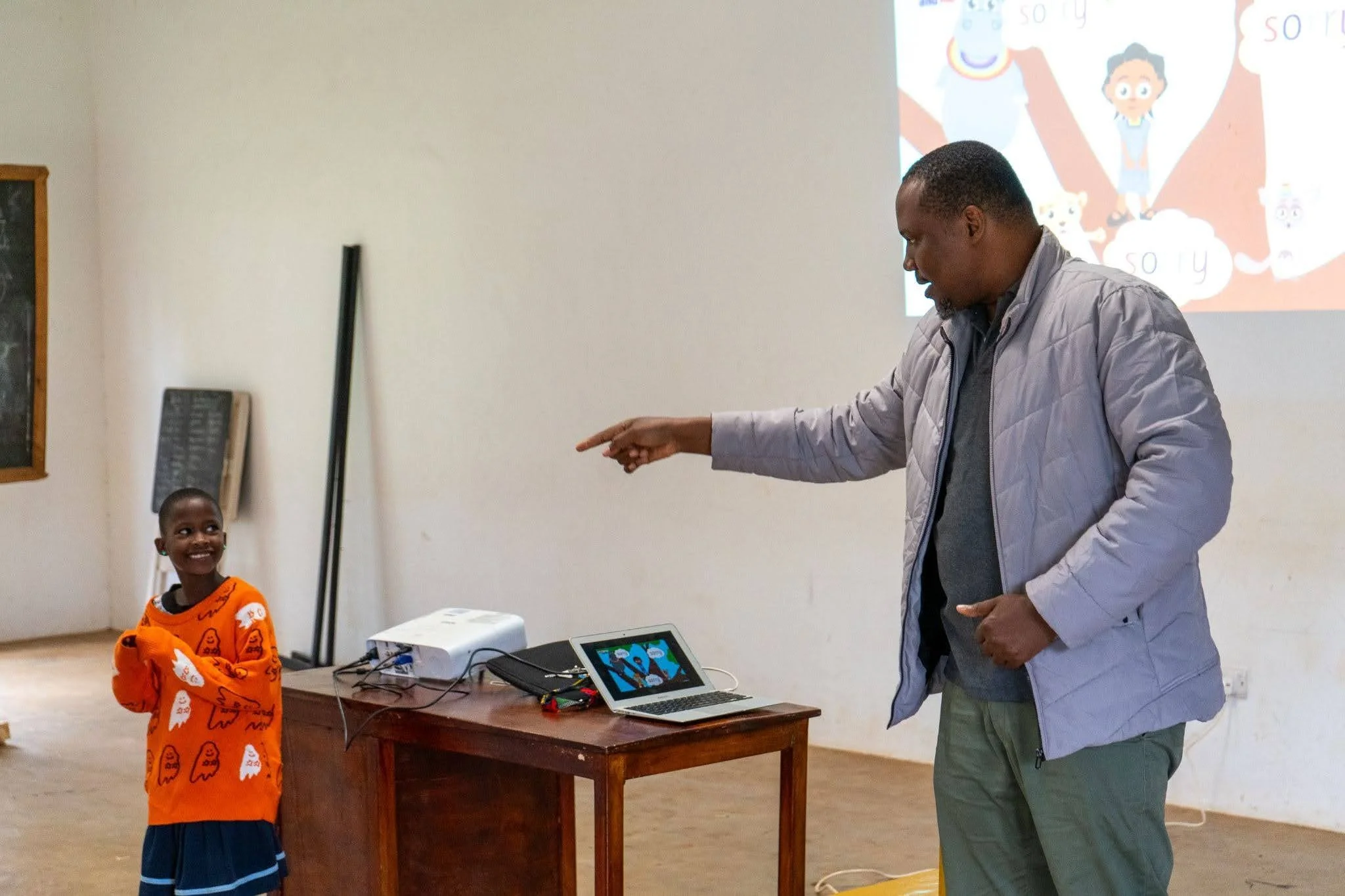
Dr. Aloyce conducting a group session with some of our youngest kids. By learning healthy socio-emotional behavior from a young age, our kids are better able to manage their emotions and verbalize their needs.
Now, our older youth walk into therapy proudly, booking their own appointments and choosing vulnerability over silence, connection over isolation as they navigate their mental health journeys. This cultural shift is backed by incredible momentum; our program now averages 60 one-on-one sessions and 10 group sessions per quarter for our kids and staff.
Meanwhile, for our youngest children, awareness looks like play. Through movies and cartoon-based focus exercises, therapy has become so joyful that Dr. Aloyce's bi-weekly visits are the absolute highlight of their week, met with tiny voices eagerly chanting, "Me too, me too! I want to go see Dr. Aloyce too!”
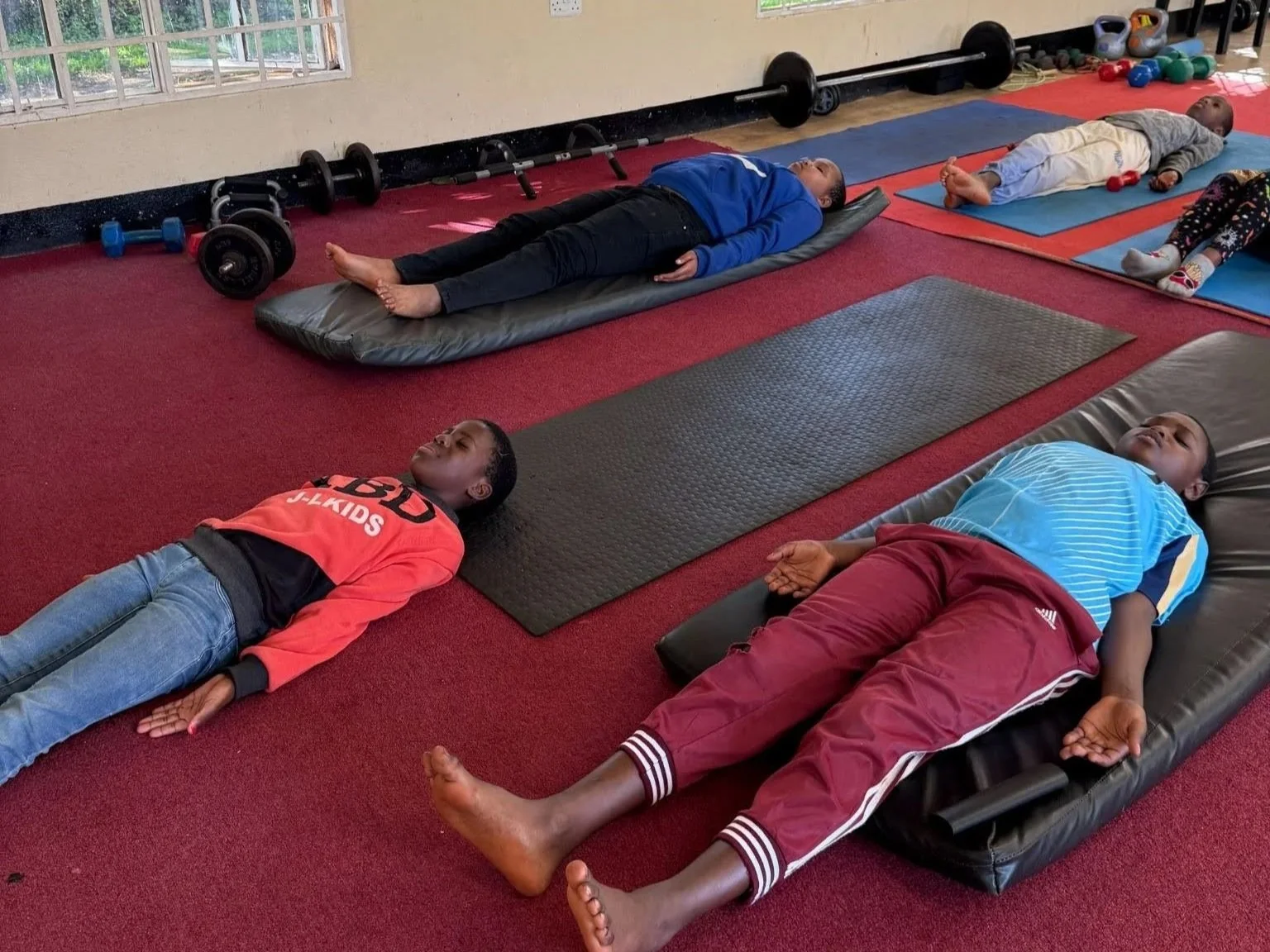
Kids practicing meditation and relaxation as methods for stress management and emotional regulation. One of the biggest goals of our program is to teach kids to recognize and manage feelings of stress and anxiety.
This program is just as much for our staff. Our house mothers work on the front lines of care every day. When Dr. Aloyce does his bi-weekly house visits, the mamas get dedicated time to talk with him about the behaviors they observe in the kids. Because of this, they now have the tools they need to recognize driving forces behind certain behavioral patterns. Instead of seeing a child's actions as mere "misbehavior," they now understand the psychological roots behind it, learning exactly when to handle a situation with deep patience and when to call the medical team for backup.
“Before, I would worry when a child acted out or withdrew. Now, I understand the 'why' behind their behavior. I can see their pain instead of just their actions, and it has allowed me to love and support them in a much deeper way” Mama Sophia- Tarangire House Mother
Our teachers and village staff are leaning in just as deeply, asking tough questions during trainings and actively fighting the stigma. The trust in this program has grown so deep that even teachers from our partner schools are now booking their own private sessions to navigate the immense pressures they face in their daily work.
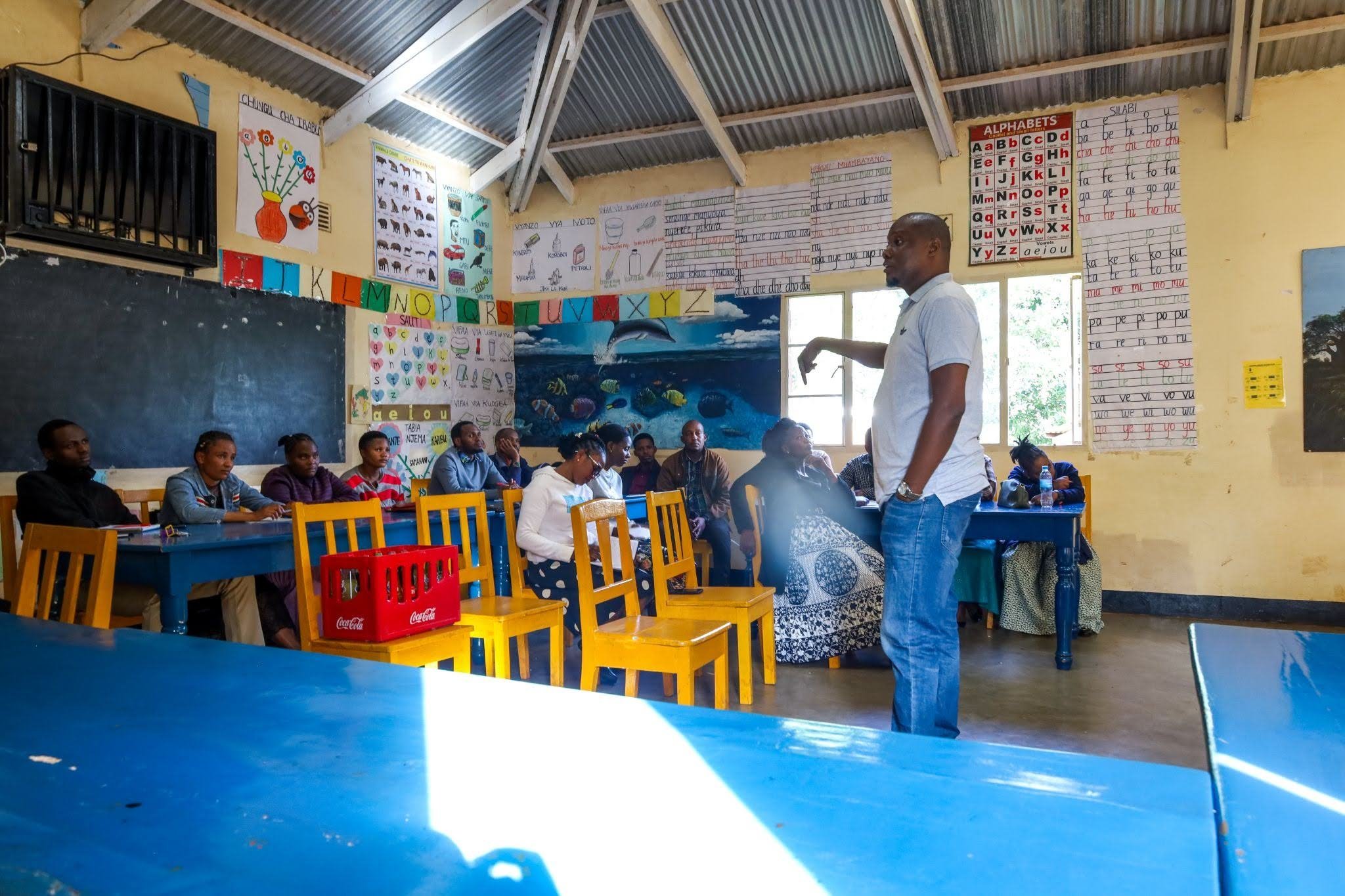
Staff members participating in a training session with Dr. Aloyce.
"Healing isn’t a straight line here. It comes easy for some, but for others, it feels like an endless battle because of the heavy things they’ve been through. But the long road is worth it for the moments that change everything. I always think about one of our girls who used to struggle terribly with her mental health – today, she’s a proud college graduate" Dr. Aloyce, Clinical Psychologist
Thank you for being part of this work. Your support helps make counseling, training, and culturally grounded mental health care possible for children, caregivers, teachers, and staff across our community. Together, we are helping create a future where young people feel seen, supported, and safe enough to heal.