
When a child becomes sick at school, the question should not always be, How quickly can we get them home? Sometimes, it should be, Who is here to help them now?
For one teenage student at a TCF partner school in Oldeani, that question carries particular weight. We’ll call him Daniel.*
Daniel has experienced seizures since he was an infant. In the early years, his family struggled to understand what was happening and sought medical care to find answers and learn how best to support him.
Today, Daniel is an active student who particularly enjoys mathematics. He continues to live with epilepsy, but he and his family are no longer navigating the condition alone. Through TCF’s health programs, he has access to ongoing medical support, medication, and specialist care. At school, there are also people who understand his condition and know how to respond if he needs help.
Daniel’s experience illustrates a wider need among children attending TCF’s partner schools. When a child becomes unwell during the school day, accessing care can mean leaving lessons, traveling to a health facility, or waiting until they can get home. For students living at boarding school, reliable health support nearby is particularly important because they spend much of their time away from their families.
That support is now part of everyday school life through Gladness, TCF’s school nurse. Working across TCF’s partner schools and the Rural Community Health Clinic, Gladness provides consultations, responds to emergencies, follows up with students who need continued care, and supports children
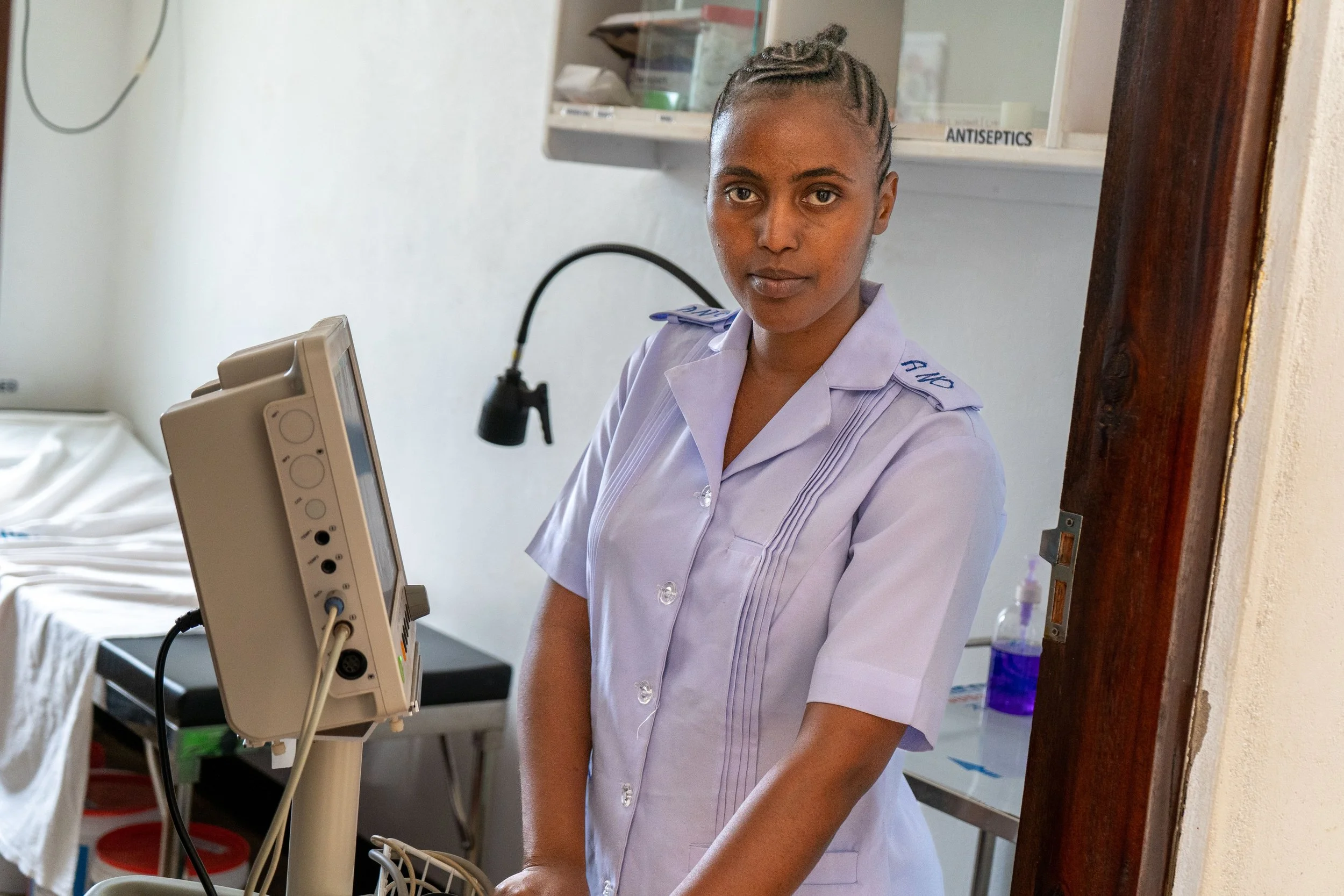
Our superstar school nurse, Gladness
Daniel is only one of many children who benefit from having healthcare closer to where they learn. Gladness sees a wide range of health concerns, from common illnesses and minor injuries to cases requiring continued monitoring or referral. Her presence creates an important bridge between the classroom, the clinic, and families.
For Daniel’s family, that bridge has brought something difficult to measure but deeply important: peace of mind. Knowing that trained care is available when Daniel is at school means his family does not have to carry the responsibilities alone. If he becomes unwell, there are people nearby who understand his condition, know how to respond, and can connect him with additional care when needed.
As one family member noted: “I have so much peace knowing that [Daniel] can be taken care of at any time.”
That sense of reassurance is an important part of what school-based healthcare provides: not only timely care for children, but greater confidence for the families who entrust them to school each day.
When more specialized care is needed, that support does not end at the school gate. Through TCF’s health programming, children who need additional evaluation can be connected with appropriate medical care. In Daniel’s case, this has included specialist neurological care, ongoing access to medication, and education for his family about epilepsy and how to respond to seizures.
Together, routine health checks, health education, school-based support, follow-up care, and specialist treatment are helping bring healthcare closer to the places where children live and learn.
For children growing up in rural communities, where accessing healthcare can mean distance, transportation, and time away from the classroom, that proximity matters. A health concern does not always have to become a lost school day or a long wait for care. Because a child should not have to choose between getting the care they need and being able to learn.
*Daniel is a pseudonym, and some identifying details have been changed to protect the patient’s privacy.